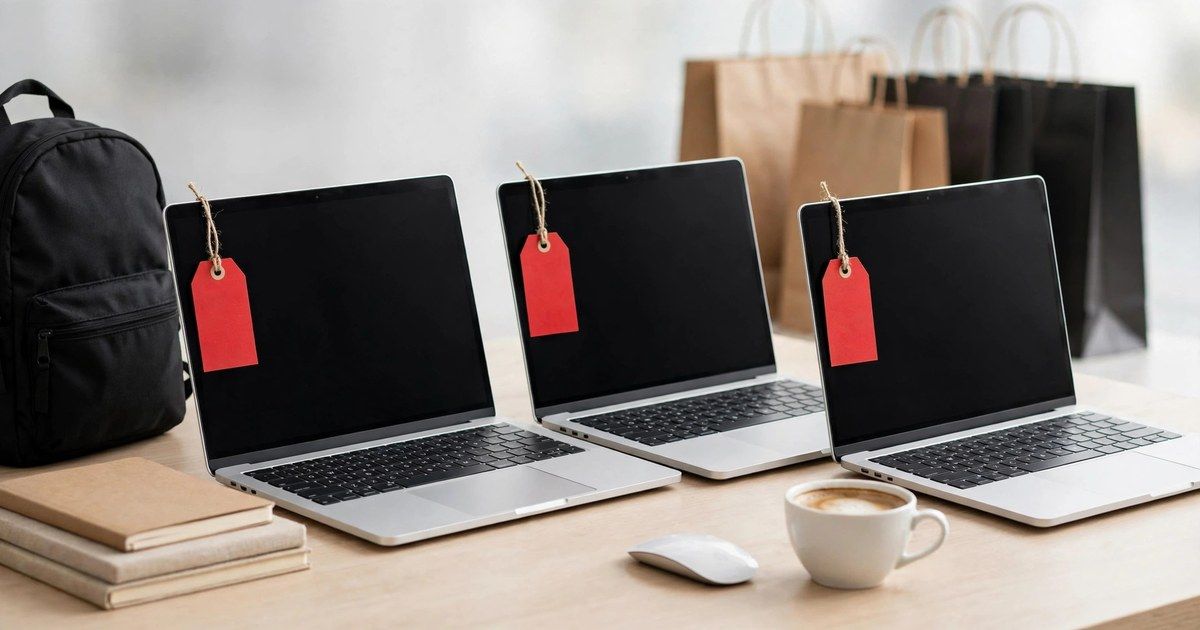
Amazon effectively invented the modern Black Friday season: its deals start weeks before November 27, run in lightning-fast waves, and set the prices every other retailer scrambles to match. In 2026, Amazon's Black Friday week, typically spanning Thanksgiving through Cyber Monday on November 30, remains the single biggest online shopping event of the year. Here are the deal categories worth watching, how Amazon's sale mechanics work, and the smart-shopper tactics that separate real bargains from fake ones.
Top Amazon Deal Categories to Watch
- Amazon devices: Echo speakers, Fire TV sticks, Kindles, Ring doorbells and Blink cameras see their lowest prices of the year, often 40 to 50 percent off. These are Amazon's loss leaders and the safest bets of the sale.
- TVs and home theater: Fire TV Omni and other smart TVs get aggressive cuts; soundbars and streaming accessories follow.
- Laptops and tablets: Chromebooks, Windows laptops and Fire tablets drop sharply, with the best prices usually landing on Black Friday itself or Cyber Monday.
- Headphones and earbuds: Sony, Bose, Apple AirPods and Amazon's own Echo Buds routinely hit yearly lows.
- Toys and games: Amazon's toy list discounts run deep, and video game deals rival any retailer.
- Smart home: Robot vacuums (Roborock, iRobot, Shark), smart plugs and security cameras see some of the steepest percentage cuts on the site.
- Kitchen: Instant Pot, Ninja, KitchenAid and Breville products get strong Black Friday pricing, often with bonus attachments.
How Amazon's Sale Mechanics Work
Amazon runs three deal types. Standard Black Friday deals are straightforward discounts that last hours or days. Lightning deals are time-limited offers with a claimed-percentage bar; the hottest ones sell out in minutes, and joining the waitlist is often worthwhile because carts expire. Finally, there are invite-only or Prime-exclusive deals on select big-ticket items, where you request an invitation and Amazon emails you a private purchase link. Prime members generally get 30-minute early access to lightning deals, which matters enormously for limited-stock items. Deals typically refresh at midnight Pacific, and the deepest cuts cluster on Thanksgiving evening through Black Friday, with a second wave on Cyber Monday focused on tech and fashion.
Smart Shopping Tips
Start by building your wishlist now and turning on deal alerts for each item; Amazon notifies you the moment a saved item drops. Install a price tracker like CamelCamelCamel or Keepa and check every "deal" against its 12-month history, because Amazon's "list price" is often inflated. Use the "clip coupon" checkboxes on product pages; they stack with sale prices and are easy to miss. If an item is sold by a third-party seller rather than Amazon itself, check the seller rating and shipping speed before buying, and prefer "Ships from Amazon" for reliable delivery. For gifts, select the gift option at checkout to hide prices and add free gift messaging. And remember Amazon's holiday return window: items bought in November can typically be returned into January, so buying early carries almost no risk.
Lightning Deal Tactics
Lightning deals reward preparation. Add items to your cart the moment the deal goes live; you get a 15-minute reservation window to check out. If a deal sells out, join the waitlist immediately, as unclaimed carts are released back in waves. Keep payment methods and addresses current in your account so checkout takes seconds. Shop on the app rather than the website for slightly faster deal notifications, and enable push alerts for "watched deals." The most competitive lightning deals, consoles, premium headphones, robot vacuums, often go within the first two to three minutes, so decide your maximum price in advance and commit fast.
Avoiding Fake Deals and Scams
Not everything labeled a "Black Friday deal" is one. Ignore the strikethrough "list price" and compare against the price history. Be wary of unfamiliar brands with thousands of suspiciously perfect reviews, especially in electronics; check review dates for unnatural spikes. Never buy from links in unsolicited emails or texts claiming to be Amazon deals; shop only through the app or by typing the address yourself. And if a third-party listing is dramatically cheaper than every other seller for the same item, it is likely a scam or counterfeit. When in doubt, buy the item sold and shipped by Amazon itself.